Coffeeshop Culture
How to Read an Amsterdam Coffeeshop Menu: A Beginner’s Guide
Hash or flower? Indica or sativa? A plain-English guide to the words, numbers and prices you will see on a typical Amsterdam coffeeshop menu.

Facts checked on 10 November 2026. Laws, local rules and house rules can change, so confirm details with the official sources listed below. This is general information for adults 18+, not legal or medical advice.
You walk into your first Amsterdam coffeeshop, step up to the counter and see a menu full of strange names, numbers and Dutch words. The staff are friendly, but there is a queue behind you. What do you order?
This guide explains how to read an Amsterdam coffeeshop menu in simple English. You will learn what the product types are, what the labels mean, how prices work and how to order confidently, even if it is your very first time. We last checked the facts here on 10 November 2026.
This article is for adults aged 18 and over. It is general information, not medical advice, and it does not promise that any product is available in any particular coffeeshop.
Why coffeeshop menus look the way they do
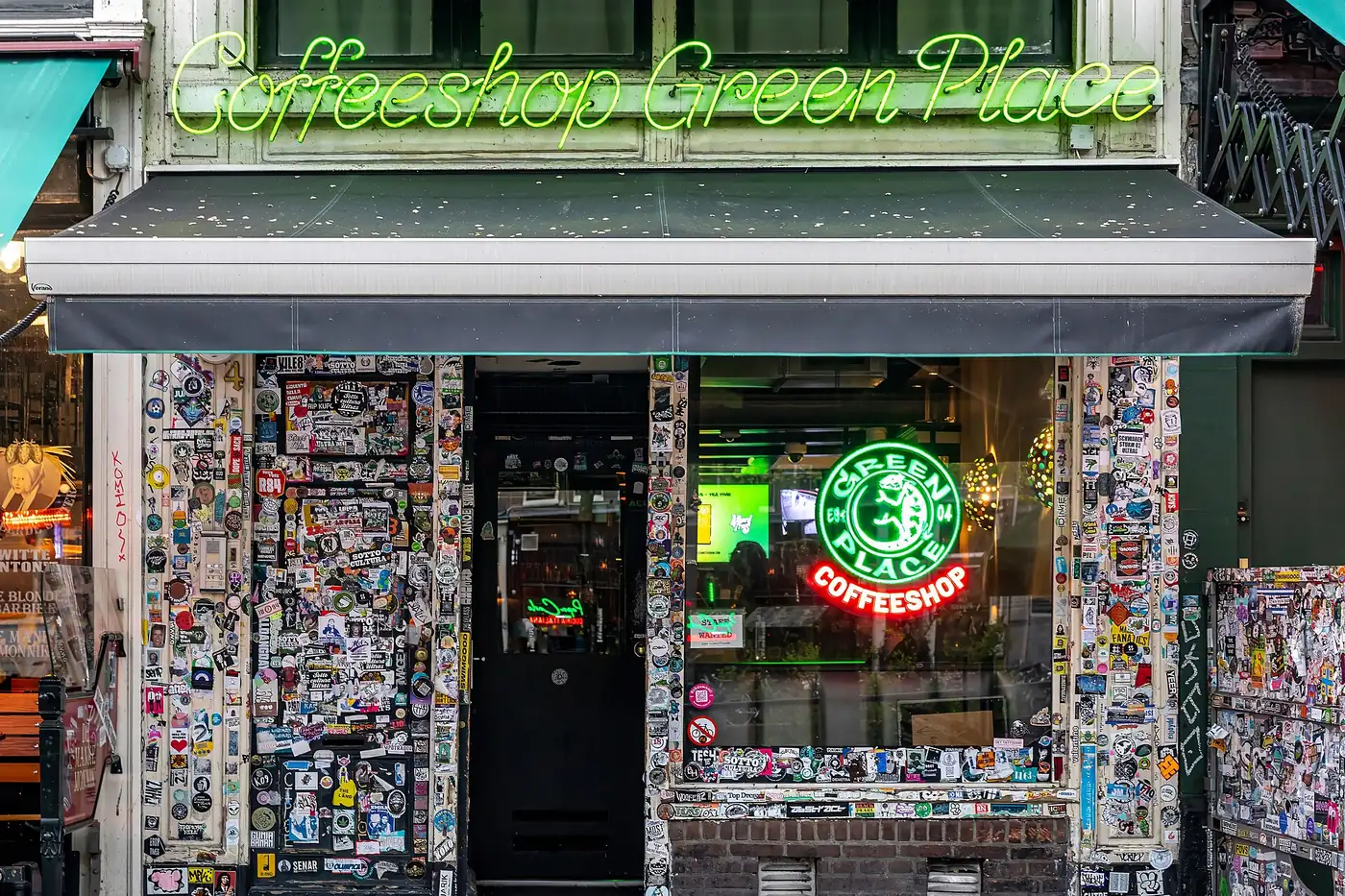
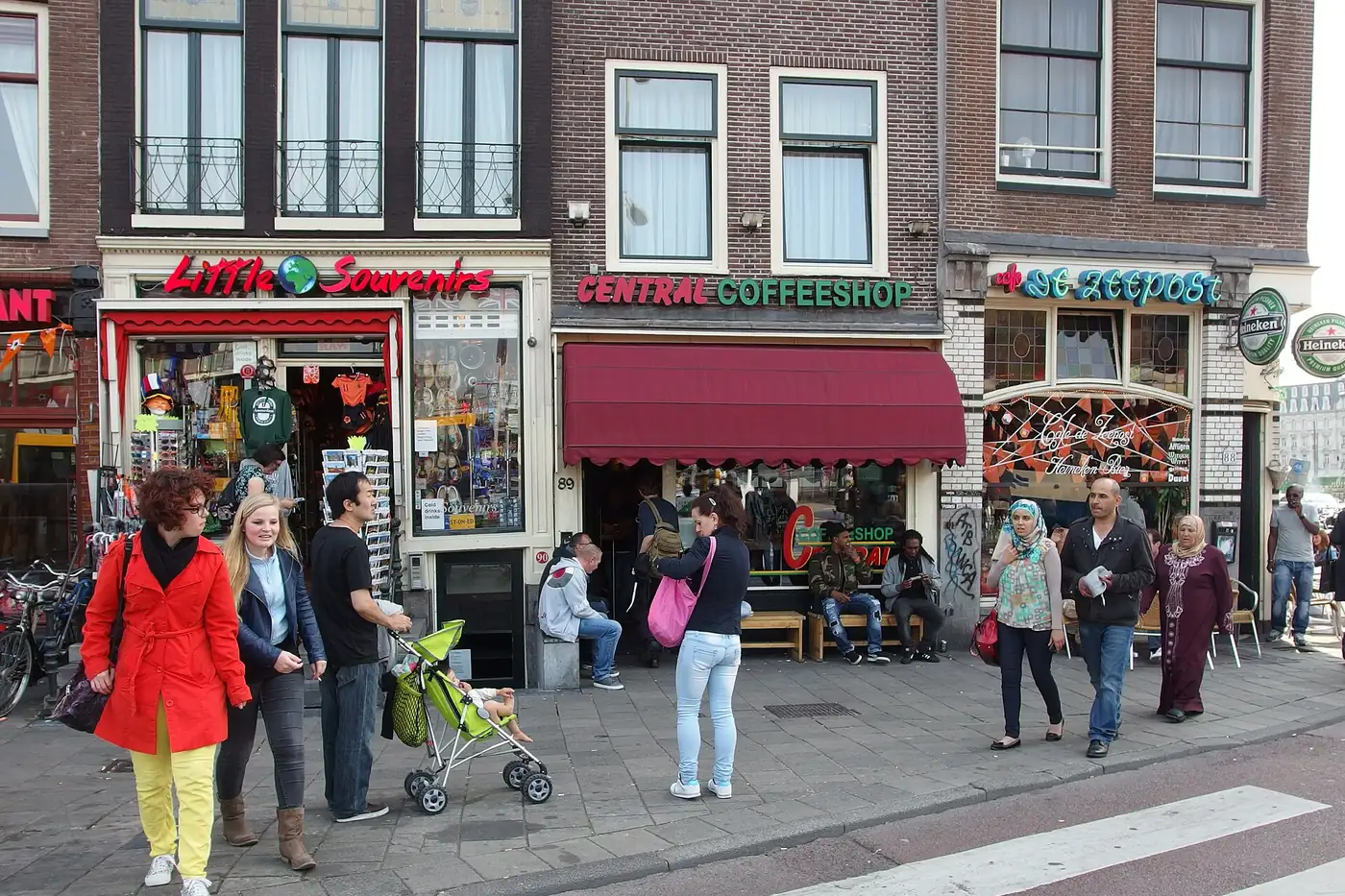
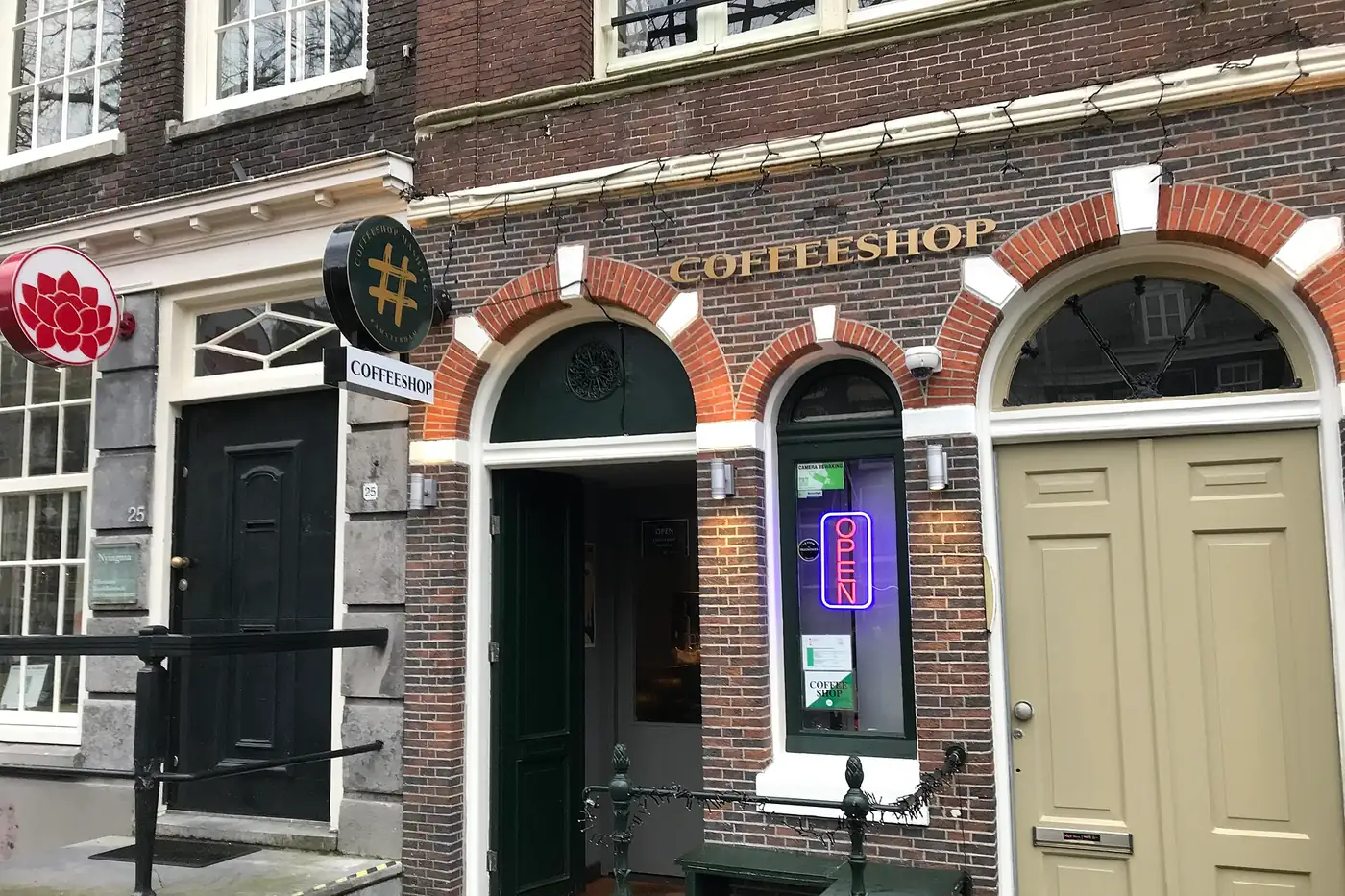
Dutch coffeeshops are not allowed to advertise. That is one of the national toleration criteria. As a result, menus are often kept behind the counter, shown on a small screen, or handed to you only when you ask. Do not be surprised if there are no posters, product photos or price boards outside.
Menus are usually in English and Dutch, but product names are often imported slang or invented brand names. Two coffeeshops can sell very similar products under completely different names, so the name alone tells you very little. What matters more is the product type, the strength information if it is shown, and what the staff tell you.

The main product types on the menu
Most menus are split into a few clear sections. Once you know them, the menu becomes much easier to read.
Weed, flower or bud {#weed}
This is the dried flower of the cannabis plant. On menus it may be called weed, flower, bud or wiet in Dutch. It is usually sold by the gram, sometimes in fixed bags of one or more grams. Weed is often split into sub-groups such as "indica", "sativa" and "hybrid", or into "house" and "premium" ranges.
Dutch-grown weed is often called nederwiet. Modern weed can be very strong compared with what many visitors are used to at home.
Hash {#hash}
Hash (or hashish) is made from the resin of the cannabis plant. It is pressed into small blocks and can be soft or hard, light brown or almost black. Menus often list hash by its style or origin, such as Moroccan-style or Dutch-made hash. Some hash is very strong, so treat it with respect.
Pre-rolls {#pre-rolls}
A pre-roll is a ready-made joint. Coffeeshops sell them individually and they are a popular choice for visitors who do not know how to roll. Menus usually say whether a pre-roll is pure (cannabis only) or mixed with tobacco. Because of the Dutch smoking ban, tobacco may only be smoked in a separate smoking room, if the coffeeshop has one.
Edibles {#edibles}
The most famous edible is the space cake, but you may also see cookies, brownies or sweets. Edibles take much longer to work than smoking, often an hour or more, and the effects can last many hours. This is where most first-time problems happen. Read our space cake and edibles guide before you even think about ordering one.
Other items {#other-items}
Some coffeeshops also sell rolling papers, filters, grinders, lighters and drinks. Many sell coffee, tea, soft drinks and snacks, but coffeeshops may not sell alcohol. If you want a beer, you need a café or bar, which in Dutch is a different place entirely.
Want a simpler way to prepare? See what is inside our downloadable Amsterdam visitor guide.
Common menu words, explained
Here is a quick glossary of words you are likely to see on an Amsterdam coffeeshop menu.
- Indica: traditionally linked with a heavier, more relaxing feeling. Treat it as a rough hint, not a promise.
- Sativa: traditionally linked with a lighter, more energetic feeling. Again, a tradition rather than a guarantee.
- Hybrid: a mix of both. Most modern products are hybrids.
- THC: the main compound that makes you feel high. Some menus show a THC percentage. Higher numbers usually mean stronger effects.
- CBD: a compound that does not make you high in the same way. Some products contain both. See our article on CBD vs THC.
- Pure: no tobacco added.
- Mixed: contains tobacco.
- House: the coffeeshop's standard or cheaper range.
- Top shelf or premium: the coffeeshop's stronger or more expensive range.
- Gram (g): the usual unit of sale. The legal maximum per transaction is 5 grams.
A high THC percentage is not a sign of "better" cannabis for a visitor. For most people, especially if you rarely use cannabis, a milder product is the smarter and more enjoyable choice.
Indica, sativa and why labels are not everything
Many menus put a lot of weight on indica and sativa labels. You will hear people say "indica means couch, sativa means energy". In reality, scientists say the effects depend on many things: the full mix of compounds in the plant, the dose, how you take it, your body, your mood, whether you have eaten and where you are.
This is why two people can share the same joint and have very different experiences. It is also why the most useful thing you can do is be honest with the staff. Tell them:
- how often you use cannabis, if at all,
- whether you want something mild or strong,
- whether you plan to sit in the coffeeshop or go out afterwards,
- whether you are sensitive to anxiety.
A good budtender will use that information to suggest something suitable. That conversation is worth far more than any name on the menu.
Questions worth asking the staff
Coffeeshop staff answer the same questions every day, and good ones are happy to help. If you are not sure what to say, these questions work well:
- "What do you recommend for someone who rarely uses cannabis?"
- "Which of these is the mildest?"
- "Is this pre-roll pure or mixed with tobacco?"
- "Do you have a smoking room for tobacco?"
- "How long can we stay?"
- "Do you take cards?"
Listen to the answer and do not feel pressured to buy the most expensive option. If the staff seem rushed or uninterested, it is fine to say thank you and try another coffeeshop. Amsterdam has plenty of choice, and the right place will make you feel welcome.
Reading packaging and labels
Most cannabis in Amsterdam coffeeshops is sold in small bags, boxes or tubes. Packaging is simple because coffeeshops may not advertise. Before you leave the counter, take a quick look at what you have been given:
- Check that the name matches what you ordered. Mistakes happen when it is busy.
- Check the weight if it is written on the bag.
- Ask for the receipt if you want to compare prices later.
- Keep the product in its original packaging while you are out, so you know what it is.
Edibles in particular should stay in their wrapper until you are ready to eat them. A loose piece of cake in your bag looks exactly like an ordinary cake, and that can lead to accidents with friends or family who do not know what it is.
How coffeeshop prices work
Coffeeshop prices in Amsterdam vary widely. A rough pattern you will often see:
- House weed and hash are usually the cheapest options per gram.
- Premium or top-shelf products cost more, sometimes much more.
- Pre-rolls are sold per piece. Their price depends on the product inside and the size.
- Edibles are sold per piece.
As a very rough guide, many visitors see prices from around €10 to more than €20 per gram, but this changes over time and between shops. We do not list specific prices because they change often and we do not want to give you a figure that is out of date when you arrive.
Some practical money tips:
- Ask to see the menu with prices before you queue to order.
- Bring some cash. Many coffeeshops accept cards, but not all.
- Be careful with very cheap offers in tourist areas, especially from anyone outside a coffeeshop.
- You do not need to buy 5 grams. Most visitors use far less than they expect.

How to order in a coffeeshop, step by step
Ordering is easy once you have done it once. Here is how it usually works.
- Show your ID at the door or counter. A passport or national ID card is best. You must be 18 or older.
- Ask for the menu if it is not on display.
- Tell the staff it is your first time or that you want something mild.
- Order a small amount. One pre-roll or one gram is plenty for most beginners.
- Pay in cash or by card, depending on the coffeeshop.
- Buy a drink if you plan to sit down. It is polite, and many coffeeshops expect it.
- Follow the house rules about where you may smoke, how long you may stay and whether photos are allowed.
Many coffeeshops do not allow photos inside, out of respect for other customers. Ask before you take any pictures.
If the coffeeshop is busy, it is fine to step aside, read the menu calmly and join the queue again when you are ready. Staff would much rather you take a minute to decide than order something you do not want. Quieter times, such as early afternoon on a weekday, are the best moments to ask lots of questions.
Coffeeshop etiquette at the counter
A few small habits make you a welcome guest:
- Keep your voice down. Many coffeeshops are in residential streets.
- Do not haggle. Prices are fixed.
- Do not bring your own alcohol or food unless staff say it is fine.
- Do not ask staff to sell you more than 5 grams, or to sell to someone without ID.
- Take your rubbish with you or use the bins provided.
- When you leave, remember that smoking cannabis outside is banned in many areas, including the Red Light District. See where you can smoke cannabis in Amsterdam.
Our full guide to Amsterdam cannabis etiquette covers more of these unwritten rules.
Safety tips for your first order
Coffeeshop products in Amsterdam can be stronger than you expect. These simple steps help you stay in control:
- Eat a proper meal before you go.
- Drink water, not alcohol.
- Start with one or two small puffs and wait at least 15 to 30 minutes.
- Do not mix cannabis with other drugs.
- Never drive or cycle after using cannabis.
- If you feel anxious, sit somewhere quiet, breathe slowly and tell a friend or the staff. The feeling usually passes.
- In an emergency, call 112.
More harm-reduction advice is in our article on THC vapes in the Netherlands, which also covers why you should avoid unlabelled cartridges.
Turn menu knowledge into a great trip
Knowing how to read a menu is a small skill, but it makes a big difference. You order with confidence, spend less, avoid products that are too strong and get more out of the conversation with staff.
The same is true for the rest of Amsterdam. The city rewards visitors who understand how it works: which areas are residential, where ban zones are, how the trams run and where locals actually go. If you would like to learn that from someone who lives there, you can book a guided Amsterdam tour at oranjeumbrella.com. It is an easy way to get your bearings on day one and pick up tips you will use for the rest of your stay.
For everything in this article and more, in one place, our downloadable visitor guide includes a coffeeshop vocabulary list, product-label and packaging checks, safety checklists, clickable maps and day-trip tips for Haarlem and Zaandam. It is written for adults, dated and honest about what can change, and it lives on your phone, so you can check a word quietly instead of asking in a crowded queue.
Key takeaways
- Menus are often kept behind the counter because coffeeshops may not advertise.
- The main product types are weed (flower), hash, pre-rolls and edibles.
- Indica and sativa are rough labels, not guarantees.
- A high THC percentage does not mean a better experience for beginners.
- Prices vary, so check the menu and bring some cash.
- Tell the staff you are new, order a small amount and take it slowly.
Frequently asked questions
What is the difference between hash and weed on a coffeeshop menu?
Weed (also called flower or bud) is the dried flower of the cannabis plant. Hash is made from the resin of the plant and pressed into a block. Both can be strong, and the menu does not always show exact strength.
How much does cannabis cost in Amsterdam coffeeshops?
Prices vary a lot between coffeeshops and products. Many menus price per gram, often with a range from around €10 to well over €20 per gram. Check the menu before ordering and ask if anything is unclear.
Are indica and sativa reliable labels?
They are a rough tradition, not a scientific guarantee. Many modern products are hybrids, and how a product feels depends on the person, the dose and the setting as much as the label.
What should a beginner order in a coffeeshop?
Tell the staff you are new and ask for something mild. A single small pre-roll shared between friends, taken slowly, is a common choice. Avoid edibles and very strong products on your first visit.
Do coffeeshops sell alcohol?
No. Coffeeshops are not allowed to sell alcohol. Most sell soft drinks, coffee, tea and snacks.
Sources and further reading
Checked on 10 November 2026. Some official pages are only available in Dutch.
- Government of the Netherlands: Toleration policy regarding soft drugs and coffee shops
- Trimbos Institute: Cannabis information (Dutch)
- City of Amsterdam: How to Amsterdam visitor rules
Images: Photo: Basile Morin, CC BY-SA 4.0, via Wikimedia Commons; Photo: Guilhem Vellut, CC BY 2.0, via Wikimedia Commons; Photo: Marina bauer, CC0, via Wikimedia Commons.
Keep reading
Coffeeshop Culture
How to Choose a Coffeeshop in Amsterdam
There is no single best coffeeshop. Here is a simple way to compare places by location, menu, atmosphere and comfort, and to avoid tourist traps.
Read the articleAmsterdam Cannabis Guide
Can Tourists Buy Weed in Amsterdam? The 2026 Visitor Answer
The short answer, the long answer and the small print: what adult visitors need to know about buying cannabis legally in Amsterdam in 2026.
Read the articleCannabis Laws and Safety
Space Cake in Amsterdam: An Honest Guide to Edibles for Visitors
Space cake is the most misunderstood product in Amsterdam. Here is how edibles really work, why timing matters and how to avoid a bad night.
Read the article