Cannabis Laws and Safety
CBD vs THC: What Is the Difference?
CBD and THC both come from cannabis, but they work very differently. Learn the key differences, the risks, and why you should never travel with them.
Facts checked on 19 October 2026. Laws, local rules and house rules can change, so confirm details with the official sources listed below. This is general information for adults 18+, not legal or medical advice.
CBD and THC both come from the cannabis plant, but they do very different things. THC is the part that makes people feel "high". CBD does not cause a high. That is the short answer to CBD vs THC.
The longer answer matters for visitors. Labels are not always correct, CBD can contain traces of THC, and the law treats each product differently. What is sold openly in one country can get you in serious trouble in another.
This guide explains the basics in plain words. It is general information checked in October 2026, not legal or medical advice.
What are CBD and THC?
CBD (cannabidiol) and THC (tetrahydrocannabinol) are both cannabinoids. These are natural chemicals found in the cannabis plant. The plant makes many cannabinoids, but these two are the best known.
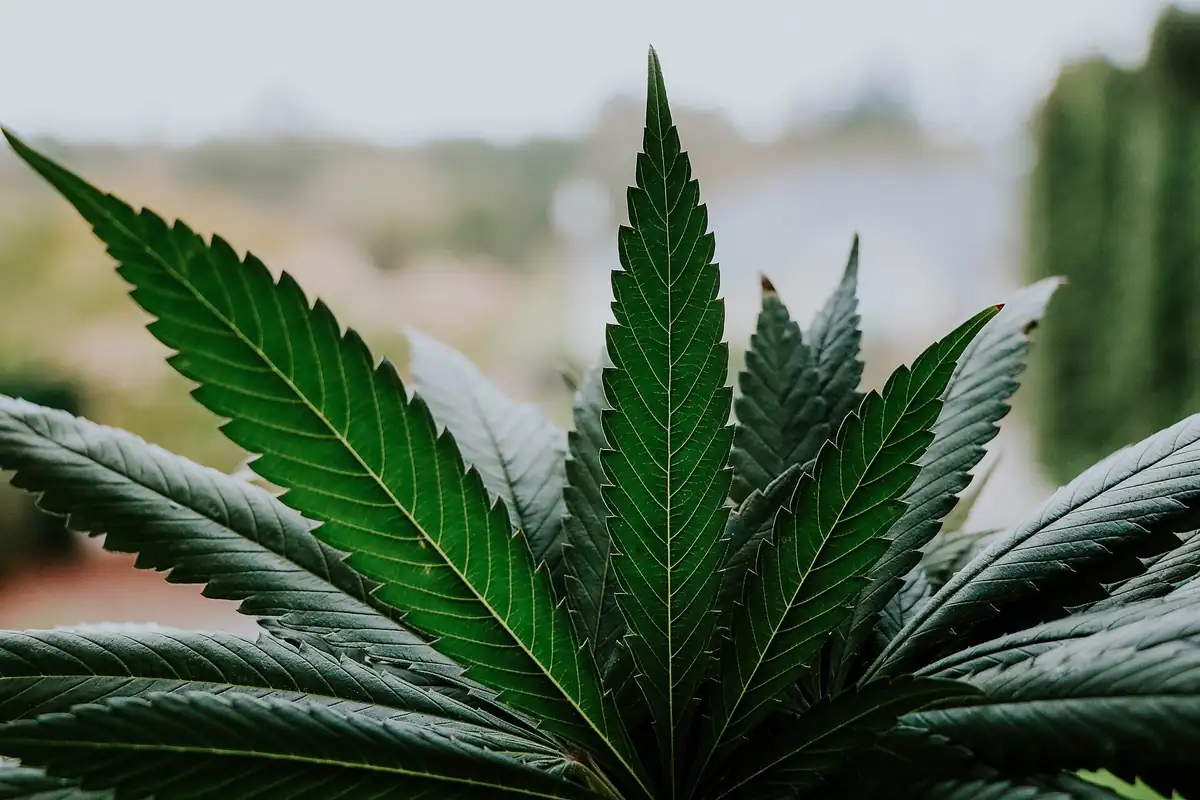
People often talk about two kinds of cannabis plant. Hemp is a type of cannabis grown with very little THC. It is used for fibre, seeds and many CBD products. Marijuana (or weed) is the everyday word for cannabis that is high in THC. Hash is made from the resin of the plant.
CBD vs THC: the key differences
Here is a simple side-by-side look.
THC
- Main intoxicating compound in cannabis
- Changes how you feel, think and see things
- Can cause anxiety, a racing heart or paranoia, especially in high doses
- Found in coffeeshop weed and hash in the Netherlands
- Strictly controlled in most countries
CBD
- Does not cause a high
- Often sold as oils, capsules, gummies and creams
- Usually made from hemp
- Sold in ordinary shops in some countries, including the Netherlands
- Can still contain small amounts of THC
Intoxicating vs non-intoxicating, explained simply
"Intoxicating" means a substance changes your mind and body so you are not fully yourself. You may feel relaxed, giggly or sleepy. You may also feel confused, scared or dizzy. Your reaction time slows down. THC is intoxicating.
"Non-intoxicating" means it does not cause that high. CBD is in this group. But non-intoxicating does not mean "no effect". The CDC explains that CBD can still cause side effects, such as sleepiness. So treat it with care too.
Good to know: never drive or cycle after using THC. Dutch law forbids taking part in traffic while under the influence, and that includes riding a bike.
Common product types
You will see both compounds in many forms. Here are the most common ones:
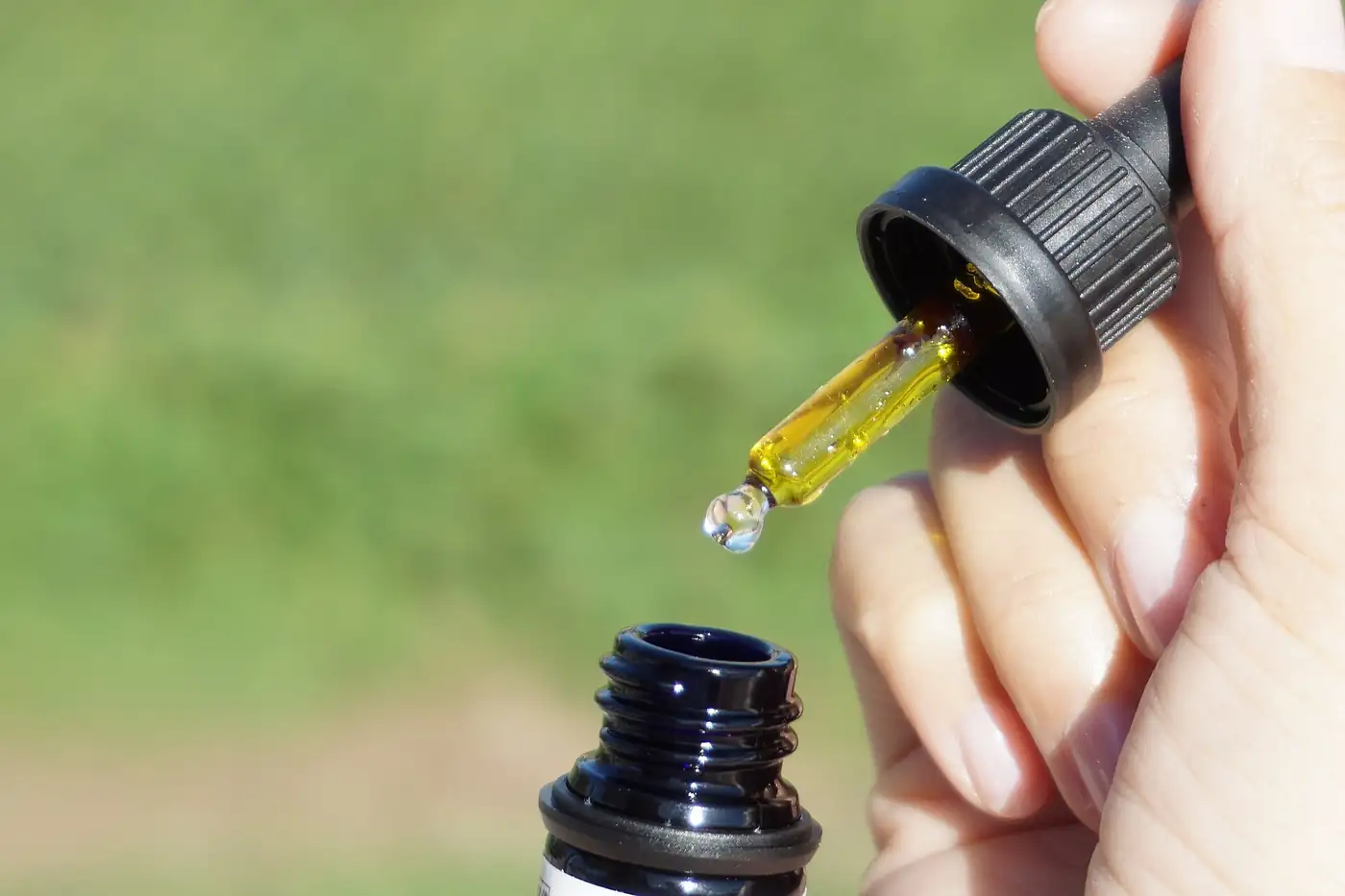
- Oils and drops: you put a few drops under your tongue. Mostly CBD.
- Capsules: a pill with a fixed amount inside. Mostly CBD.
- Gummies and edibles: sweets or snacks. They act slowly, and THC edibles can feel very strong hours later.
- Creams and balms: you rub them on the skin. Mostly CBD.
- Flower: the dried buds of the plant. Coffeeshop weed is high in THC.
- Vapes: small devices that heat a liquid. THC vapes carry special risks and are not legal in the Netherlands. Read our article on THC vapes and what travelers should know before you consider one.
Why labels and contents may differ
A label tells you what the maker says is inside. It does not prove what is inside. The US FDA warns that many CBD products are mislabeled. Some contain more or less CBD than promised. Some contain THC that is not on the label.
Products can also contain contaminants. These are unwanted things such as pesticides or heavy metals. You cannot see, smell or taste most of them.
Before you buy, check a few simple things:
- Is the amount of CBD or THC clearly written on the pack?
- Is there a batch number and a company name and address?
- Does the label make big health promises? That is a warning sign.
- Is the package sealed and undamaged?
Want a simpler way to prepare? See what is inside our downloadable Amsterdam visitor guide.
Health risks and medicine interactions
CBD and THC can both affect your body in ways you may not expect. This is not personal medical advice. Talk to a doctor or pharmacist before you use either one.
The FDA lists several possible risks of CBD:
- Liver: CBD may harm the liver in some people.
- Medicine interactions: CBD can change how other medicines work in your body. This can make a medicine stronger or weaker.
- Sleepiness: CBD can make you drowsy, especially with alcohol or sleep medicine.
- Stomach problems: some people get diarrhea or a change in appetite.
THC has its own risks. It can cause a fast heartbeat, anxiety, memory problems and, in some vulnerable people, psychosis. Mixing it with alcohol makes the effects harder to predict.
If you are pregnant, trying to become pregnant or breastfeeding, health agencies advise you not to use CBD or THC products. Keep all products away from children and pets. If someone has trouble breathing, faints or has chest pain, call 112.
Why CBD is not a guaranteed treatment
You may see shops and websites say CBD helps with stress, pain or sleep. Be careful with these claims. In the United States, the FDA has approved only one CBD medicine. It is a prescription drug for certain rare seizure conditions.
The NCCIH, a US health research agency, says the evidence for many claimed benefits is limited. That means scientists do not yet know if CBD works for most of the things it is sold for. A shop product is not the same as a tested medicine.
How laws differ by product and country
Rules depend on two things: what is in the product and where you are.
In the Netherlands
CBD: CBD products are sold in ordinary shops, such as drugstores. They are still regulated. There are low limits on THC, and EU "novel food" rules for CBD foods and supplements are not settled. The Dutch food and product safety authority is the NVWA.
THC: Cannabis is not fully legal. It falls under the Opium Act, the Dutch drugs law. The country uses a gedoogbeleid (tolerance policy). This means coffeeshops that follow strict rules are not prosecuted for selling small amounts of weed and hash to adults. The Government of the Netherlands explains the conditions.
This tolerance only covers coffeeshop cannabis. THC oils and extracts are on List I of the Opium Act, the same list as hard drugs. For a clear overview, see Dutch cannabis laws explained simply.
In other countries
Some countries allow certain CBD products. Others ban any product from the cannabis plant, even CBD with almost no THC. Penalties in strict countries can be very serious. Rules also change over time, so always check official sources.
What international visitors should know before traveling
This part is simple, but it is the most important.
- Never fly with THC products. Taking cannabis or THC products out of the Netherlands is illegal, even to other EU countries. There are checks at Schiphol and at borders.
- CBD can contain THC traces. That can lead to a positive drug test or trouble at a border.
- Check every country. Look at the rules of your destination, your home country and any country where you change planes.
- Original packaging is not a free pass. It can help show what a product is, but only where the product is legal.
Our simplest advice: do not travel with CBD or THC products unless you have confirmed they are legal in every country on your route. If you are not sure, leave them behind.
If you are visiting Amsterdam and want to understand how coffeeshops work, start with our first-time visitor's cannabis guide. For maps, rules, label checks and safety tips in one place, see what is inside our downloadable visitor guide.
Frequently asked questions
Does CBD get you high?
No. CBD does not cause the “high” feeling that THC causes. But some CBD products contain more THC than the label says, so a product sold as CBD could still affect you.
Can CBD make me fail a drug test?
It can. Many CBD products contain small amounts of THC, and drug tests usually look for THC. If you are tested for work, sport or travel, think carefully before using any CBD product.
Can I bring CBD oil home from the Netherlands?
Our simple advice is no, unless you have confirmed it is legal in every country on your route. CBD rules differ widely, and some countries treat any cannabis product very strictly. Products with THC must never leave the Netherlands.
Is CBD safe to take with my medicine?
Not always. The US FDA warns that CBD can interact with other medicines and may harm the liver. Ask a doctor or pharmacist before you try it, especially if you take regular medicine.
Sources and further reading
Checked on 19 October 2026. Some official pages are only available in Dutch.
- US FDA: What you need to know about products containing cannabis or CBD
- US CDC: About CBD
- US NCCIH: Cannabis (marijuana) and cannabinoids
- Government of the Netherlands: Toleration policy regarding soft drugs and coffee shops
- Trimbos Institute DRUGSinfo: What are THC vapes? (Dutch)
- Netherlands Food and Consumer Product Safety Authority (NVWA)
Images: Photo: Elsa Olofsson, CC BY 2.0, via Wikimedia Commons; Photo: Elsa Olofsson, CC BY 2.0, via Wikimedia Commons.
Keep reading
Cannabis Laws and Safety
THC Vapes in the Netherlands: Rules, Risks, and What Travelers Should Know
THC vapes do not follow the same Dutch rules as weed and hash. Here is what the national health institute says, and how to stay safe.
Read the article
Cannabis Laws and Safety
Cannabis Laws in the Netherlands Explained Simply
Cannabis is not fully legal in the Netherlands. Here is a plain-English look at the tolerance policy, coffeeshop rules and what visitors should never assume.
Read the article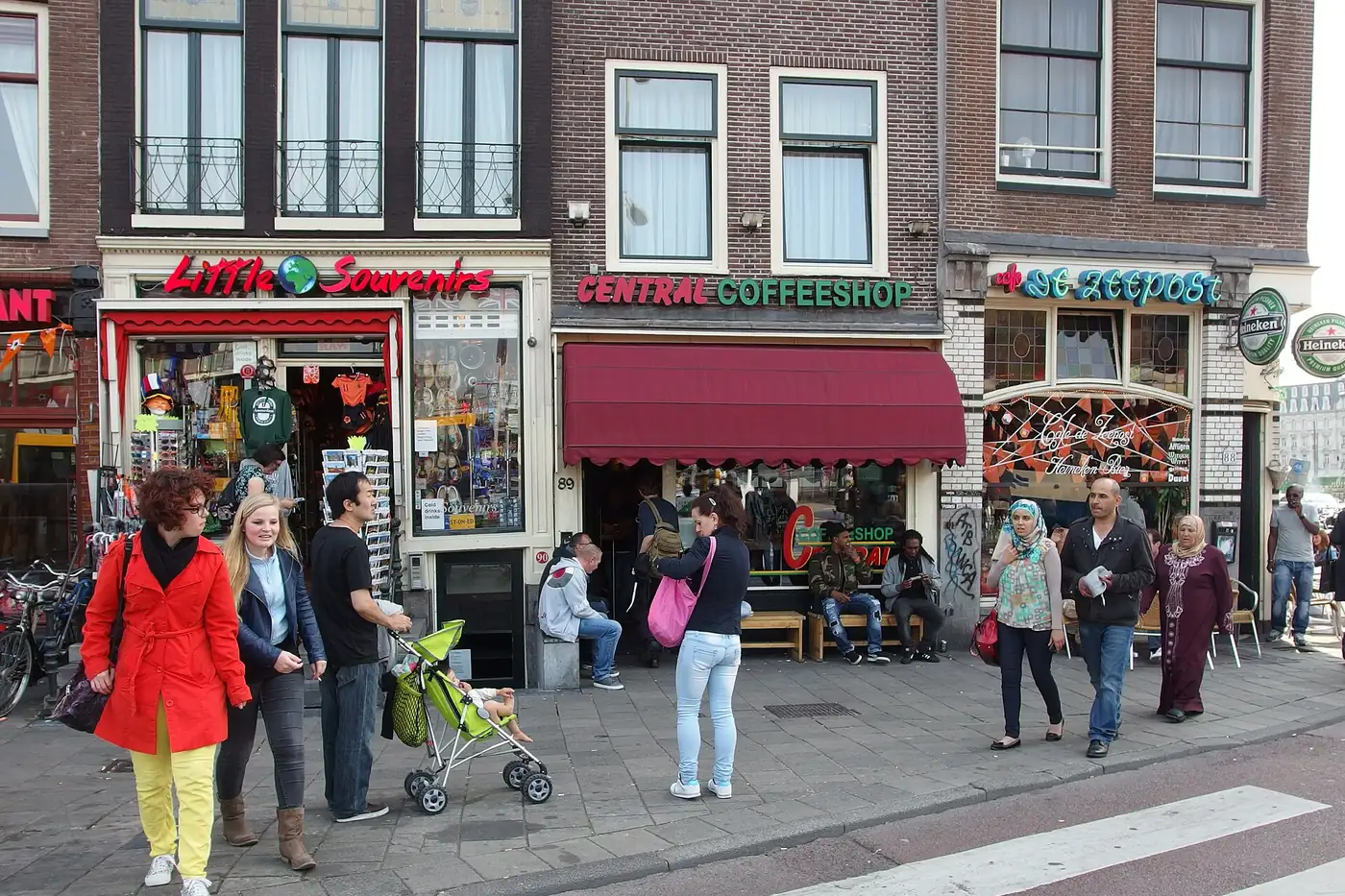


Amsterdam Cannabis Guide
Amsterdam Cannabis Guide for First-Time Visitors
New to Amsterdam coffeeshops? Learn how they work, how to read a menu, what to ask staff, and how to stay safe on your first visit.
Read the article