Cannabis Laws and Safety
Cannabis Laws in the Netherlands Explained Simply
Cannabis is not fully legal in the Netherlands. Here is a plain-English look at the tolerance policy, coffeeshop rules and what visitors should never assume.
Facts checked on 19 October 2026. Laws, local rules and house rules can change, so confirm details with the official sources listed below. This is general information for adults 18+, not legal or medical advice.
Many visitors think cannabis is legal in the Netherlands. It is not. The cannabis laws in the Netherlands make selling, growing and owning cannabis an offence. But the government chooses not to prosecute some of these acts when strict rules are followed.
This system is called the tolerance policy. It lets coffeeshops sell small amounts to adults. It also means that much of what happens around those shops is still against the law.
This article explains the rules in plain words. We checked the facts on 19 October 2026 against official sources. Rules can change, so always check the latest government guidance before you travel. This is general information, not legal advice.
What cannabis laws in the Netherlands actually say
The main Dutch drug law is the Opiumwet (Opium Act). It splits drugs into two lists.
- List I holds hard drugs.
- List II holds soft drugs, including weed and hash.
Under the law, selling, producing and possessing drugs from either list is an offence. So the starting point is simple: cannabis is not legal.
What tolerance policy (gedoogbeleid) means
The Dutch word gedoogbeleid means tolerance policy. It is a choice not to prosecute certain offences. The law stays the same, but the Public Prosecution Service (the national office that decides on prosecutions) does not act in certain cases.
Think of it like this. Something is still against the rules, but the authorities agree to look away when you follow strict conditions. If you break those conditions, the tolerance ends.
This policy covers two main things: sales in coffeeshops and small amounts for personal use. It does not cover everything else to do with cannabis.
Tolerance is not full legalization
It helps to compare the Dutch system with places where cannabis is fully legal. In a legal market, growing, selling and buying follow clear licences and product rules. In the Netherlands, most of that chain is still a crime, and only parts of it are tolerated.
This has real effects for visitors. Police can still take cannabis from you, even a small amount. And tolerance only protects you when you stay inside its limits.
Good to know: "Tolerated" does not mean "allowed everywhere". It means the authorities will not prosecute you in certain clear situations, and only those.
How coffeeshops fit in
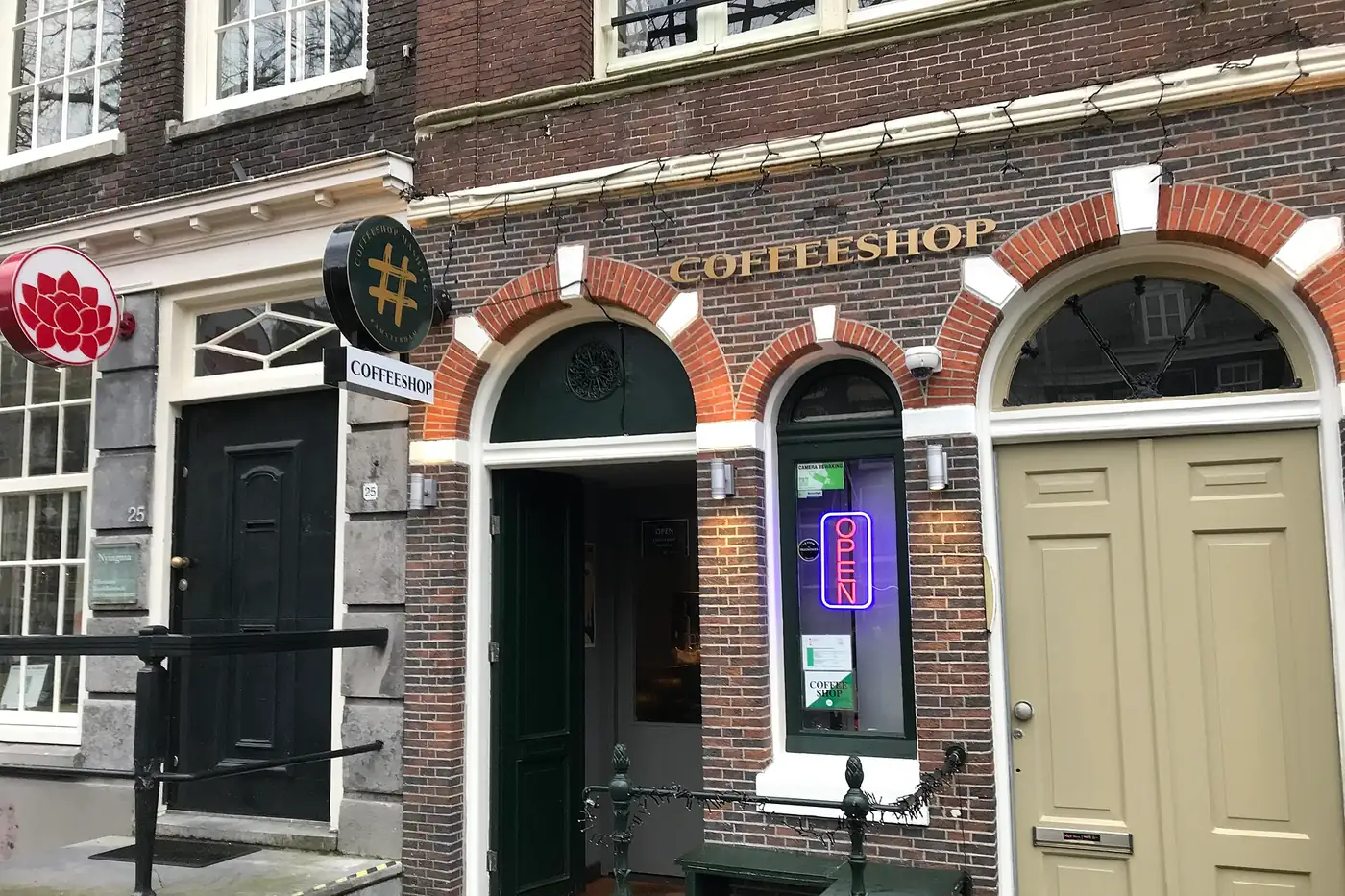
A coffeeshop is a place where cannabis is sold and no alcohol is sold or consumed. Coffeeshops are tolerated only if they meet national criteria. According to the government's page on the toleration policy, a coffeeshop must follow these rules:
- No nuisance to neighbours or the area
- No hard drugs
- No sales to anyone under 18
- No advertising of drugs
- No more than 5 grams per person per transaction
National guidelines also limit a shop's trade stock to 500 grams. Shops check ID, so always carry a valid passport or national ID card. Each shop also has its own huisregels (house rules), such as rules about photos or smoking inside. For a visitor's view of these rules, see our article on Amsterdam coffeeshop rules.
The back door problem
Here is the strange part. Selling cannabis at the front door of a coffeeshop is tolerated. But the shop's supply, the cannabis that comes in through the back door, is not. Growing and wholesale trade are still illegal.
This gap has been debated for many years. Critics say it pushes the supply side into crime. To test another way, the government started a controlled supply experiment, often called the wietexperiment (weed experiment).
The controlled supply experiment
The experimental phase started on 7 April 2025. It runs in 10 municipalities: Almere, Arnhem, Breda, Groningen, Heerlen, Maastricht, Nijmegen, Tilburg, Voorne aan Zee and Zaanstad, which includes Zaandam. Coffeeshops there sell cannabis from licensed growers.
Amsterdam is not part of the experiment. In Amsterdam, the back door problem still applies.
Possession, sale, growing and supply
Here is how the main rules work for adults.
Possession
Prosecutors generally do not pursue people who have no more than 5 grams of cannabis. Police can still confiscate it. Having more can lead to prosecution.
Sale and supply
Only tolerated coffeeshops that meet the criteria may sell, within the limits above. Selling outside a coffeeshop is not tolerated. Never buy from street dealers: they often sell fake or dangerous substances.
Growing
Growing cannabis is against the law. If someone grows 5 plants or fewer for their own use, police will generally just take the plants. With more than 5 plants, they can be prosecuted. Tenants can also be evicted.
Want a simpler way to prepare? See what is inside our downloadable Amsterdam visitor guide.
Local rules matter
National policy sets the frame, but municipalities (towns and cities) fill in many details. The mayor and the local council decide whether to allow coffeeshops and how many. They can also add their own rules.
A big example is the ingezetenencriterium (residency criterion). Since 2013, national policy says only residents of the Netherlands may enter coffeeshops and buy. But enforcement differs by municipality. At the time of checking, Amsterdam does not apply it to adult visitors, so adult tourists with valid ID can enter Amsterdam coffeeshops. This has been debated and can change. Some other towns, especially in the south near the borders, do restrict access.
Amsterdam also has its own public rules. Since 25 May 2023, a blowverbod (cannabis smoking ban) applies in public spaces in the Wallen (Red Light District) area, including Dam Square, Damrak and Nieuwmarkt. A fine of €100 is possible. The City of Amsterdam explains the ban with a map. Read more in where you can and cannot smoke in Amsterdam.
Do not assume everything is allowed
Some things catch tourists out every year. Here are the most common.
- THC vapes and extracts. THC itself and cannabis oils and extracts are on List I, the hard drug list. Trimbos DRUGSinfo says THC vapes are not legal, even if bought in a coffeeshop. See our guide to THC vapes in the Netherlands.
- Smoking in public. Ban zones exist in Amsterdam and other places. Look for signs with a crossed-out joint.
- Smoking indoors with tobacco. Tobacco smoking is banned indoors in hospitality venues. Many hotels and rentals ban all smoking.
- Crossing borders. Taking cannabis out of the Netherlands is illegal, even to other EU countries. There are checks at Schiphol and borders.
- Driving or cycling. Taking part in traffic while impaired is against the law, and that includes riding a bike. Since 2017 there are legal blood limits for THC when driving. Never drive or cycle after using cannabis.
What is tolerated and what is not
A quick summary for adult visitors, based on our check in October 2026.
Tolerated (under strict conditions)
- Buying up to 5 grams per transaction in a tolerated coffeeshop, if you are 18 or older
- Having up to 5 grams for personal use (police may still confiscate it)
- Smoking pure cannabis inside a coffeeshop, if its house rules allow it
Not tolerated
- Buying from street dealers or anyone outside a coffeeshop
- THC vapes, oils and extracts
- Smoking in ban zones, such as the Wallen
- Taking any cannabis across a border or onto a flight
- Driving or cycling under the influence
- Growing more than 5 plants
Where to find current guidance
Rules can change after elections, court cases or new local decisions. Before you travel, check the government's pages on the toleration policy and the Opium Act, plus your destination city's own website. The sources below this article link to each one.
For a practical overview of Amsterdam, Haarlem and Zaandam in one place, see what's inside our visitor guide. In an emergency, call 112.
Frequently asked questions
Is cannabis legal in the Netherlands?
No, not fully. Selling, producing and possessing cannabis is an offence under the Opium Act. Under the tolerance policy, prosecutors do not pursue coffeeshop sales or small personal amounts when strict conditions are met.
How much cannabis can I carry in the Netherlands?
Prosecutors generally do not pursue adults with no more than 5 grams of cannabis for personal use. Police can still take it away from you. Rules in public places, such as local smoking bans, still apply.
Can I take cannabis home from the Netherlands?
No. Taking cannabis or THC products out of the Netherlands is illegal, including to other EU and Schengen countries. There are checks at Schiphol and at borders, and carrying a THC vape on a flight is treated as drug smuggling.
Is Amsterdam part of the cannabis experiment?
No. The experimental phase started on 7 April 2025 in 10 municipalities, including Zaanstad (which includes Zaandam), Breda, Groningen and Tilburg. Amsterdam is not one of them.
Sources and further reading
Checked on 19 October 2026. Some official pages are only available in Dutch.
- Government of the Netherlands: Toleration policy regarding soft drugs and coffee shops
- Government of the Netherlands: Difference between hard and soft drugs
- Government of the Netherlands: Experimental phase of the closed coffee shop chain experiment starts on 7 April
- Opium Act (Opiumwet), official Dutch text
- Trimbos Institute DRUGSinfo: What are THC vapes? (Dutch)
- City of Amsterdam: Cannabis smoking ban in the Wallen (Dutch)
Images: Photo: HikaruImai, CC BY 4.0, via Wikimedia Commons; Photo: C messier, CC BY-SA 4.0, via Wikimedia Commons.
Keep reading
Cannabis Laws and Safety
Amsterdam Coffeeshop Rules: What Tourists Need to Know
Age limits, ID, the 5 gram rule, smoking bans and house rules: a plain-English look at how Amsterdam coffeeshops work for visitors.
Read the article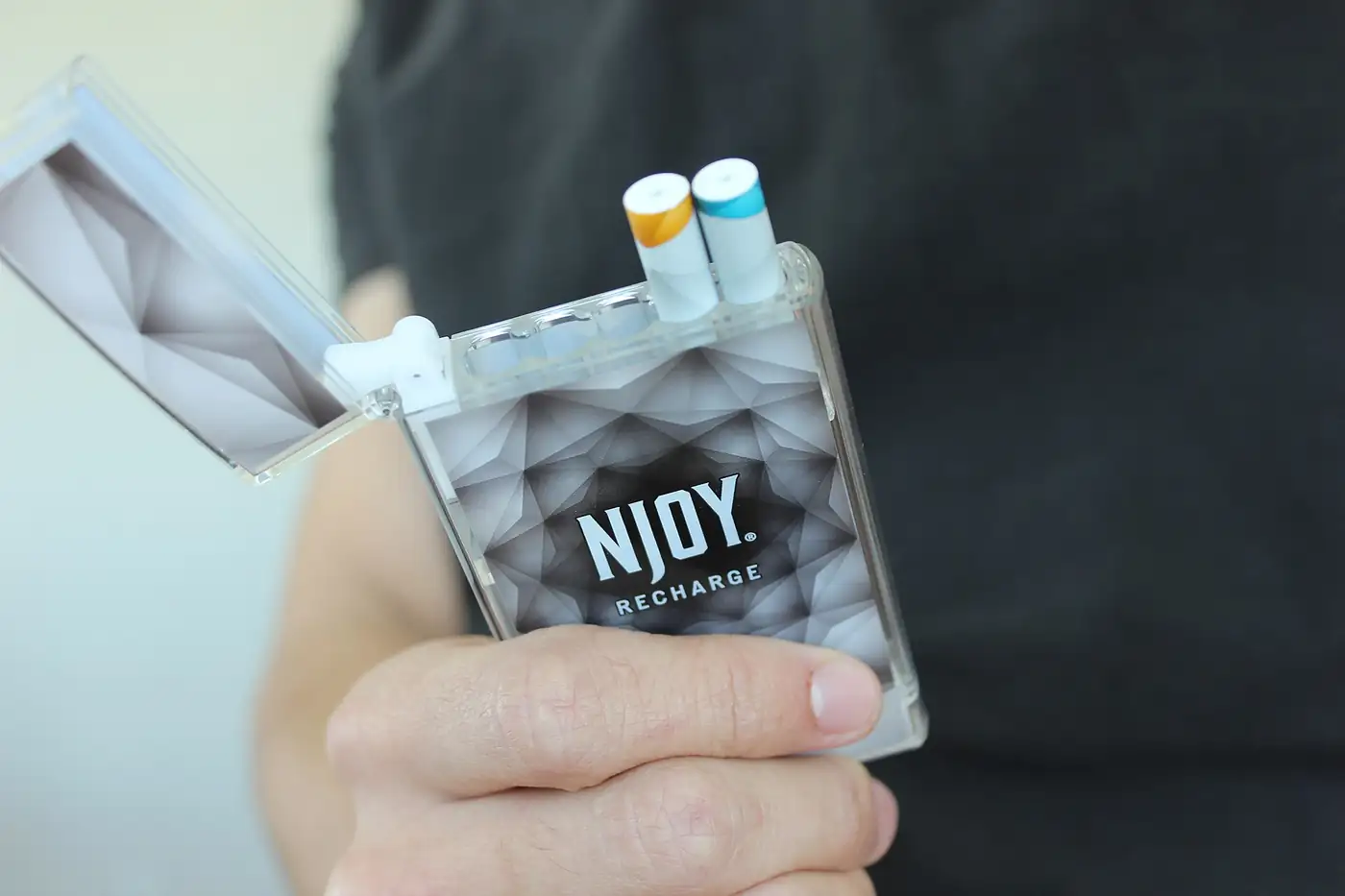
Cannabis Laws and Safety
THC Vapes in the Netherlands: Rules, Risks, and What Travelers Should Know
THC vapes do not follow the same Dutch rules as weed and hash. Here is what the national health institute says, and how to stay safe.
Read the article


Cannabis Laws and Safety
Where Can You Smoke Cannabis in Amsterdam?
The honest answer depends on where you are. Learn the difference between coffeeshop rules, public ban zones and hotel policies.
Read the article